Seller Financing Homes & Land for Sale
The seller carries the note instead of a bank — you close directly with them on agreed terms. The industry term for owner-financed deals, documented with a promissory note and deed.
Latest seller financed homes and land
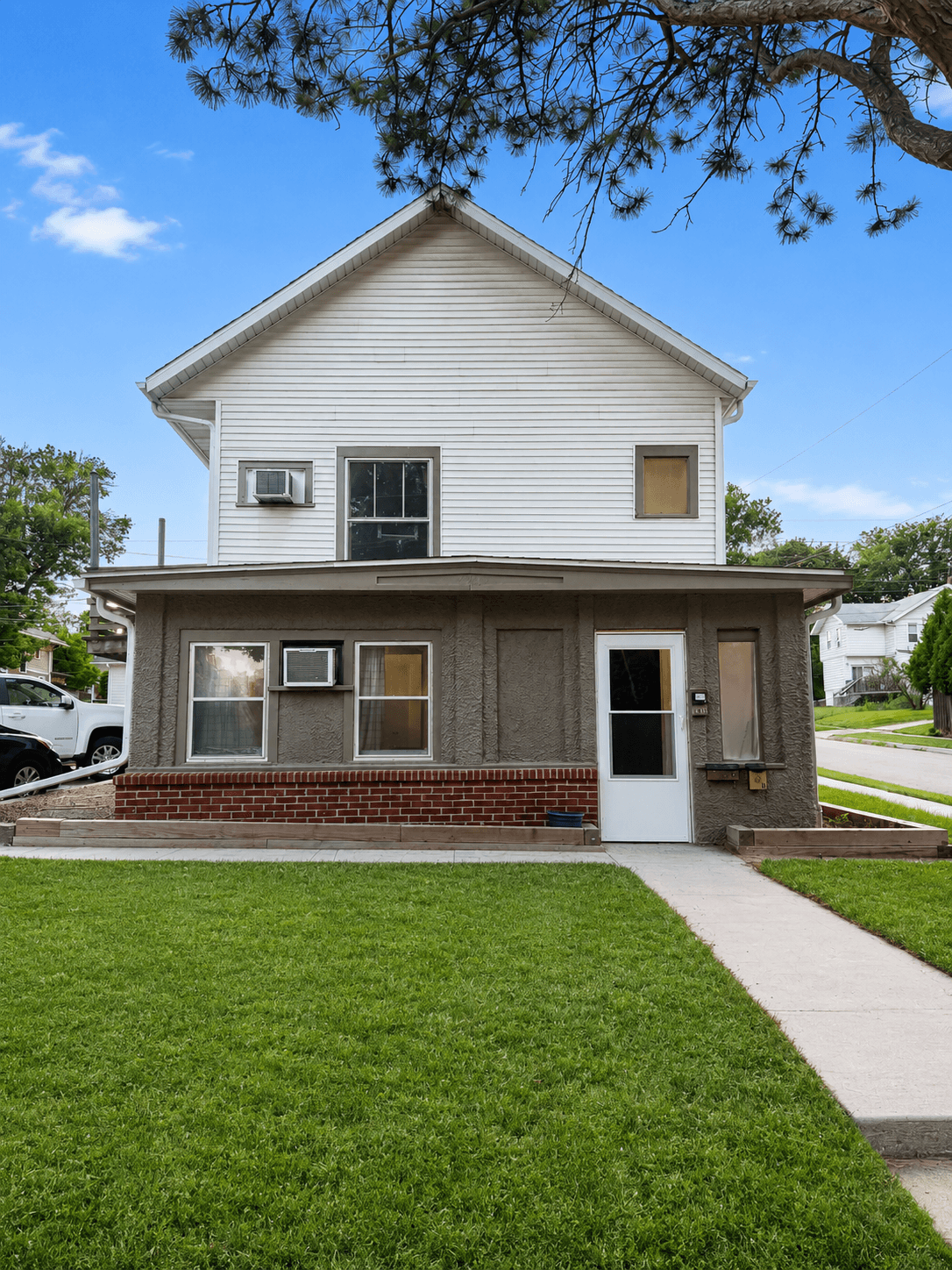 ~$2,427/mo$310,000
Owner Financing · $15k down · 3 bd · 3 ba · 1,993 sqft
Des Moines 3-Unit | $15K Proposed Down | Seller Financing
686 34th Street, Des Moines, IA
Down$15kRate9.25%Term30 yr ~$1,825/mo$160,000
Owner Financing · $10k down · 3 bd · 2 ba · 1,389 sqft
Owner Finance-3113 Mockingbird Ln, Midwest City, OK 73110
3113 Mockingbird Lane, Midwest City, OK
Down$10kRateOn inquiry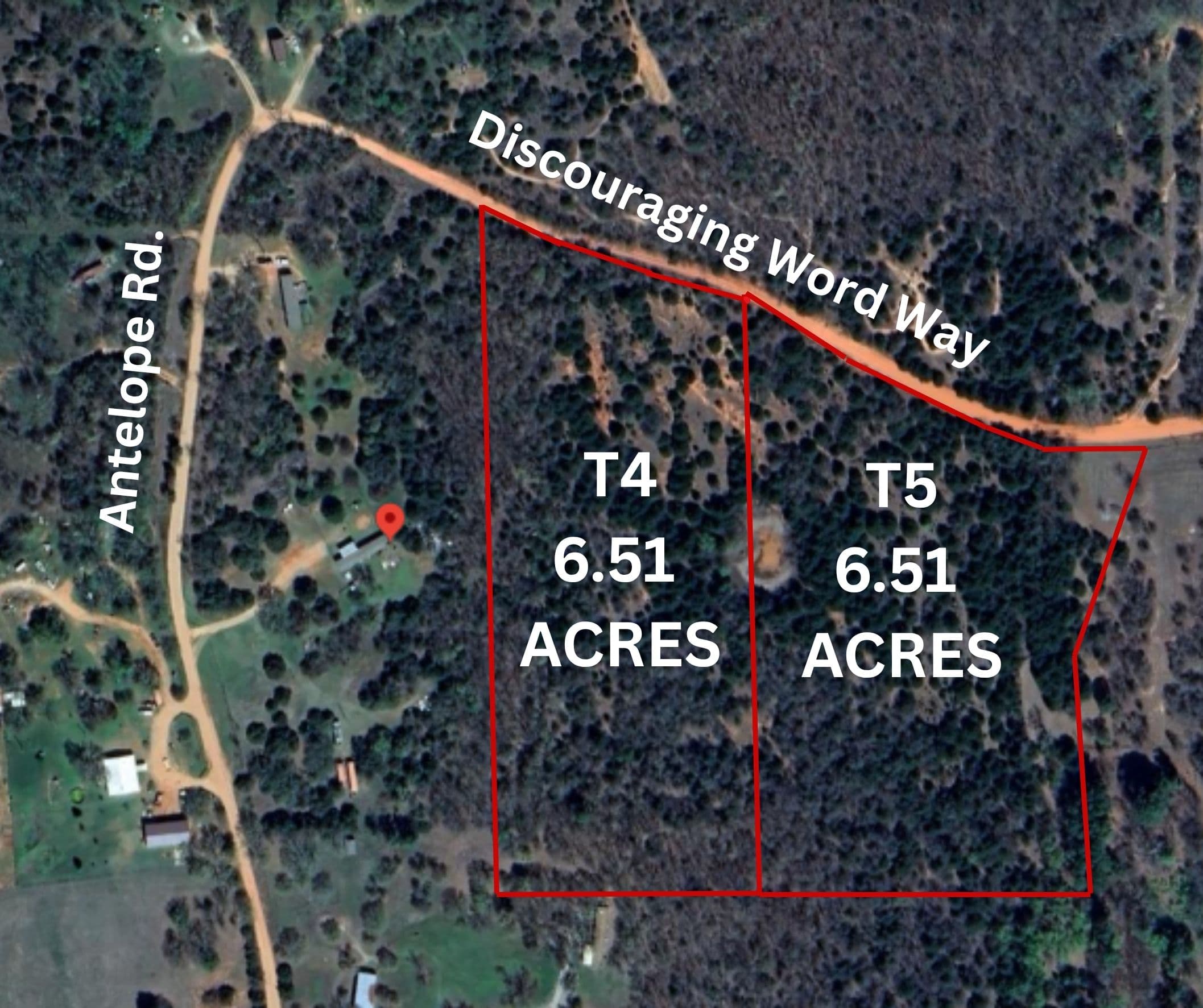 ~$798/mo$89,000
Owner Financing · $8k down
Land available in North Luther near Waterloo Rd.
13000 Antelope Road, Luther, OK
Down$8kRateOn inquiry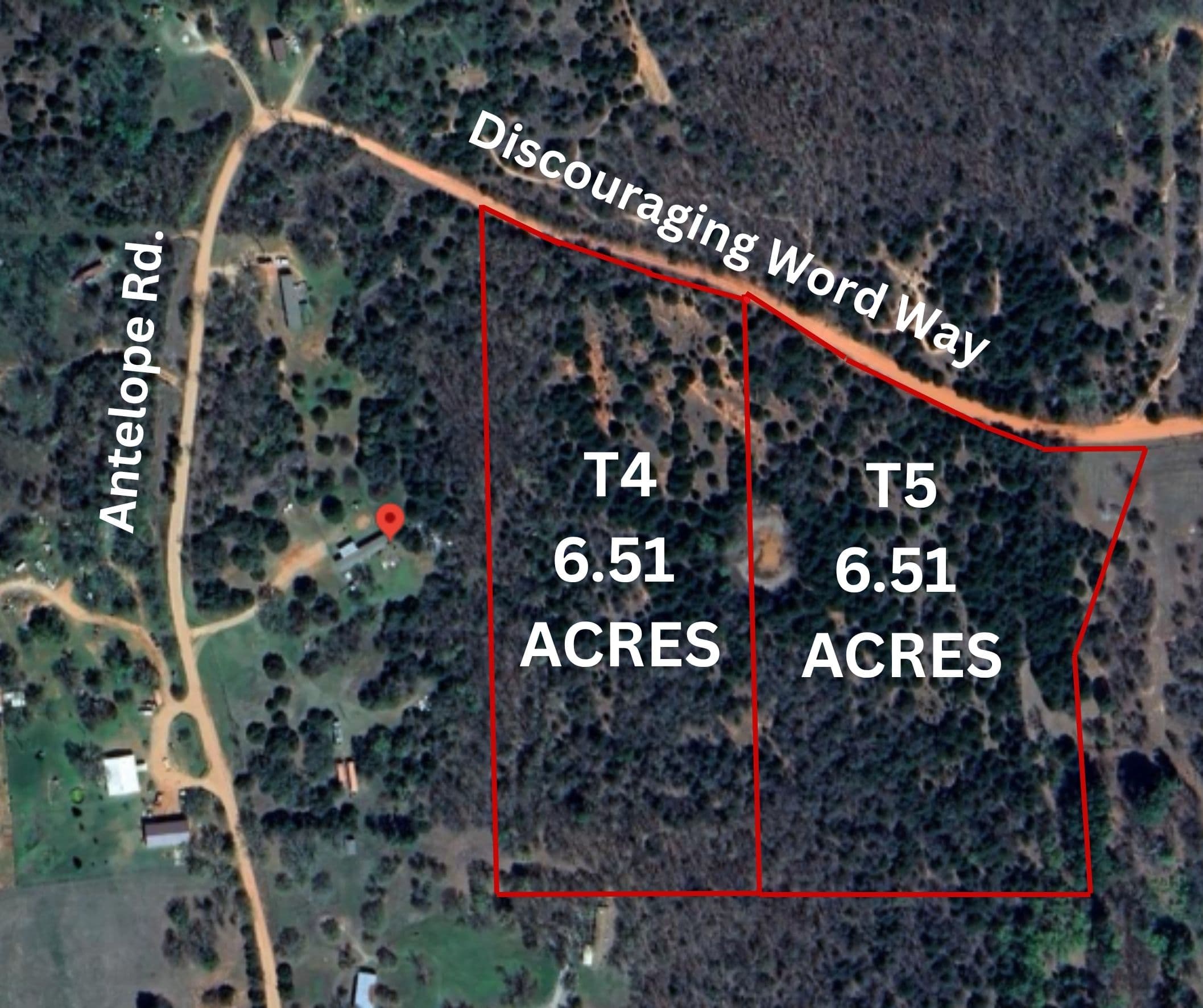 ~$798/mo$89,000
Owner Financing · $8k down
Land available in North Luther near Waterloo Rd. (copy)
13000 Antelope Road, Luther, OK
Down$8kRateOn inquiry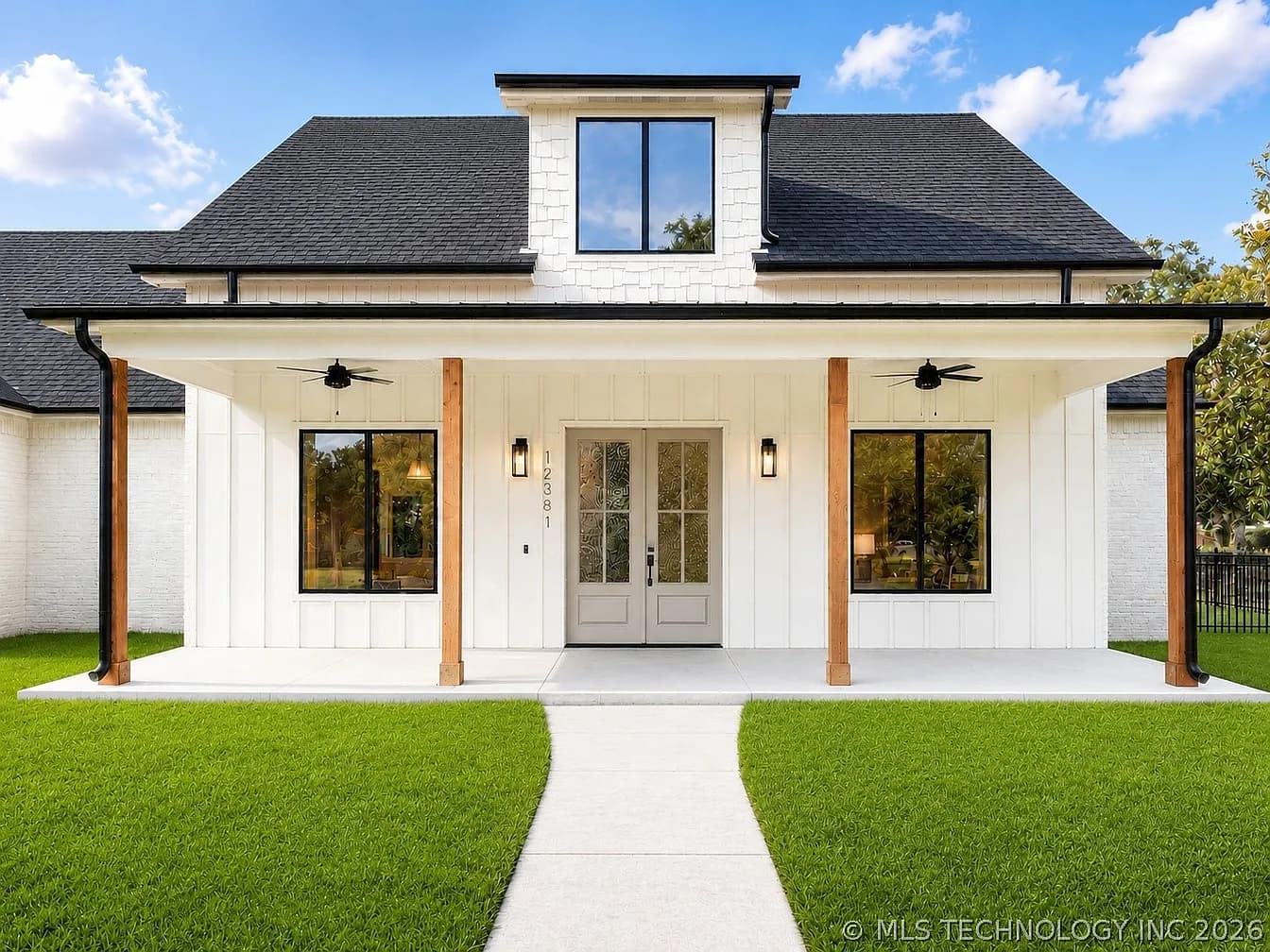 ~$8,096/mo$830,000
Owner Financing · $75k down · 4 bd · 4.5 ba · 3,785 sqft
Owner Finance-12381 Lakeview Rd Sperry, OK 74073
12381 Lakeview Road, Sperry, OK
Down$75kRateOn inquiry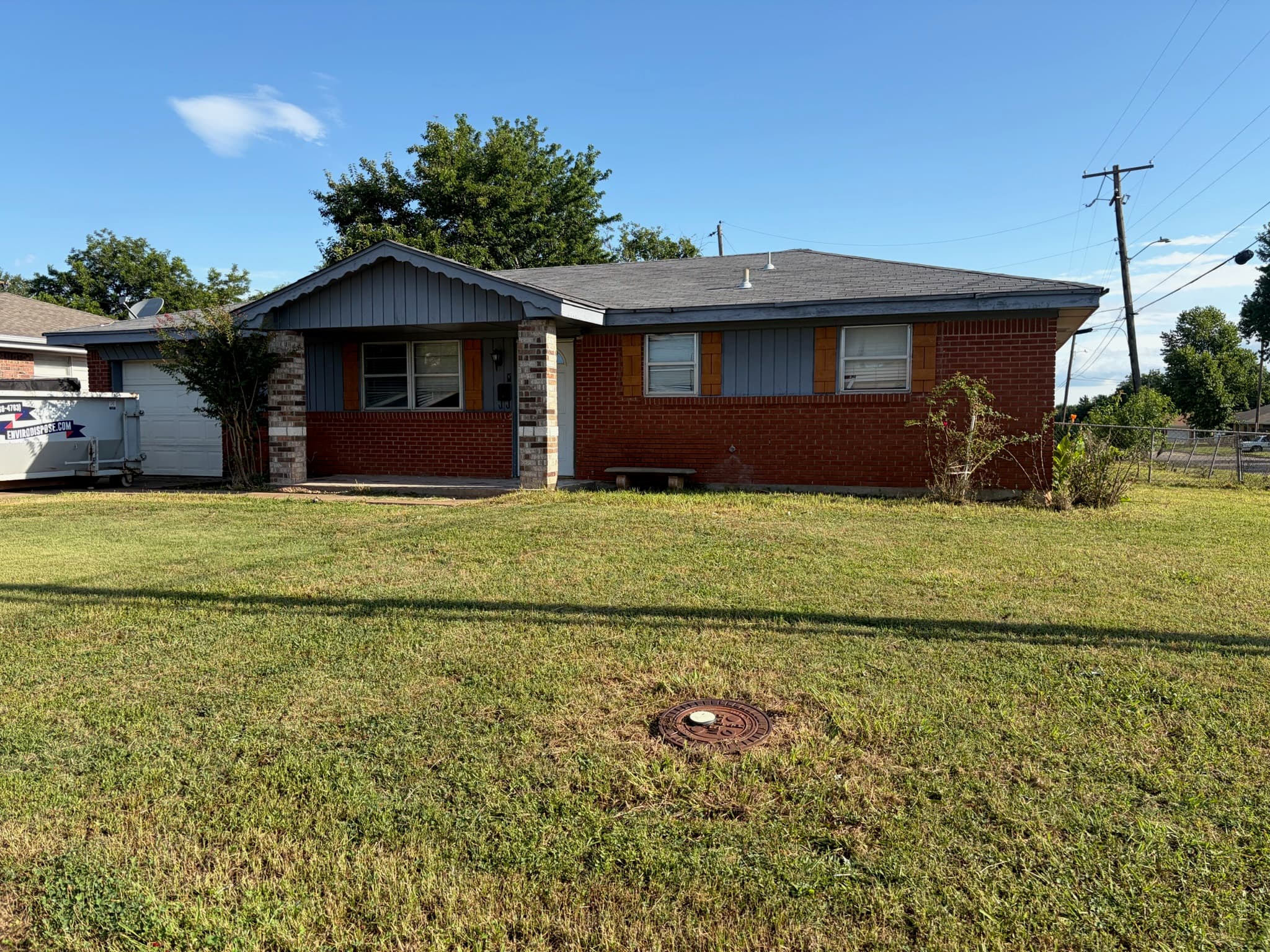 ~$1,496/mo$140,000
Owner Financing · $10k down · 3 bd · 1 ba · 1,115 sqft
Owner Finance-4773 SE 28th St. Del City, OK 73115
4773 Southeast 28th Street, Del City, OK
Down$10kRateOn inquiry ~$1,485/mo$150,000
Owner Financing · $7.5k down · 3 bd · 1 ba · 840 sqft
Owner Finance-5000 S Land Ave. Oklahoma City, OK 73119
5000 South Land Avenue, Oklahoma City, OK
Down$7.5kRateOn inquiry ~$1,394/mo$130,000
Owner Financing · $10k down · 3 bd · 1 ba · 987 sqft
Owner Finance-3601 Parkwoods Ln Midwest City, OK 73110
3601 Parkwoods Lane, Midwest City, OK
Down$10kRateOn inquiry ~$6,501/mo$640,000
Owner Financing · $50k down · 5 bd · 3 ba · 3,488 sqft
Owner Finance-13120 Knight Island Drive Oklahoma City, OK
13120 Knight Island Drive, Oklahoma City, OK
Down$50kRateOn inquiry ~$2,392/mo$225,000
Owner Financing · $10k down · 3 bd · 2 ba · 1,200 sqft
Owner Finance-1904 NW 7th, Oklahoma City, OKC 73106
1904 Northwest 7th Street, Oklahoma City, OK
Down$10kRateOn inquiry ~$1,870/mo$175,000
Owner Financing · $15k down · 3 bd · 1 ba · 1,130 sqft
Owner Finance-12 NE 66th St. Oklahoma City, OK 73105
12 Northeast 66th Street, Oklahoma City, OK
Down$15kRateOn inquiry ~$1,500/mo$150,000
Owner Financing · $7.5k down · 2 bd · 1 ba · 832 sqft
Home in Midwest City, OK
515 East Ercoupe Drive, Midwest City, OK
Down$7.5kRateOn inquiry
What is seller financing?
Seller financing is the transaction-side name for the same structure buyers call owner financing: the seller extends credit for the purchase, you sign a promissory note for the balance, and a mortgage or deed of trust is recorded against the property to secure it. Title typically transfers to you at closing — the seller becomes your lender, not your landlord.
The mechanics are what make it powerful. Because there's no bank underwriting the deal, the two parties set the terms: the down payment, the rate, the amortization, and whether there's a balloon. Closings routinely happen in days. Properties conventional lenders avoid — rural land, unique homes, small commercial — trade smoothly on seller-financed terms every day.
For sellers, carrying a note can mean a faster sale, a stronger price, and interest income on their equity instead of a single lump sum. For buyers, it's access: the deal is judged by a person weighing your down payment and your plan, not a formula. That's why seller-financed notes are a multi-billion-dollar market in the U.S. every year.
Each seller-financed listing here publishes its terms up front — price, down, monthly, and the financing type — so you can compare deals side by side before contacting anyone. Before you sign, run title through a title company, get the note and security instrument reviewed by an attorney, and confirm exactly when the deed transfers. Good paper makes good deals.
Seller Financing by state
Explore other financing
Seller Financing — frequently asked questions
- What is seller financing in real estate?
- A sale where the seller extends the credit instead of a bank: you sign a promissory note to the seller for the balance and a mortgage or deed of trust secures it against the property. You make payments directly to the seller. It's the same structure commonly called owner financing.
- Who holds the deed in a seller-financed sale?
- In the standard structure, you do — the deed transfers at closing and the seller records a lien, exactly like a bank would. The exception is a contract for deed, where the seller keeps legal title until the balance is paid. Which one you're signing matters; read the documents and have an attorney confirm.
- Why would a seller offer financing?
- A wider buyer pool, often a stronger sales price, monthly interest income on their equity, and a faster close with no lender in the middle. On hard-to-finance property — land especially — offering terms is frequently the difference between selling and sitting.
- What are typical seller financing terms?
- Down payments commonly run 5%–20%, rates usually sit a point or two above prevailing mortgage rates, and many notes amortize long (25–30 years) with a balloon due in 3–7 years. Everything is negotiable — the listings on this page show each seller's actual asking terms. One caution: state and federal rules may apply to balloon payments and to how the loan is arranged, especially on a home the buyer will live in — have a local real estate attorney or licensed mortgage loan originator review the terms.